Whether you’re relocating, dealing with a vehicle breakdown, transporting a classic car, or moving a fleet vehicle, long distance towing services offer a safe and convenient way to move your vehicle across cities or state lines. Instead of driving hundreds or even thousands of miles, professional towing companies can transport your vehicle efficiently while reducing wear and tear.
This guide explains how long-distance towing works, average costs, interstate transport options, and how to choose the right provider for your needs.
What Are Long Distance Towing Services?
Long-distance towing involves transporting a vehicle over extended distances, typically 100 miles or more. Unlike local towing, these services are designed for interstate travel, cross-country relocations, dealership transfers, auctions, and specialty vehicle transportation.
Professional towing companies use specialized equipment and experienced drivers to ensure vehicles arrive safely at their destination.
When Do You Need Long Distance Towing?
Long-distance towing is ideal for many situations, including:
- Cross-country relocations
- Interstate moves
- Vehicle breakdowns far from home
- Online vehicle purchases
- Auto auction deliveries
- Military relocations
- College moves
- Snowbird seasonal travel
- Dealership and fleet transportation
It is also a practical solution for transporting luxury, classic, or collector vehicles without adding unnecessary mileage.
Average Cost of Long Distance Towing
The cost of long-distance towing depends on several factors, including distance, vehicle type, transport method, and urgency.
Here are typical price ranges:
| Distance | Estimated Cost |
|---|---|
| 100–300 miles | $300–$700 |
| 300–700 miles | $700–$1,200 |
| 700–1,500 miles | $1,000–$1,800 |
| Cross-Country (2,000+ miles) | $1,400–$2,800+ |
Premium services such as enclosed transport or expedited delivery may increase the overall cost.
Factors That Affect Towing Costs
Several variables influence your final quote.
Distance
Longer trips generally cost more overall, although the cost per mile often decreases on longer routes.
Vehicle Size and Weight
Larger vehicles such as SUVs, pickup trucks, cargo vans, and commercial vehicles require additional trailer space and fuel.
Vehicle Condition
Non-running vehicles require specialized loading equipment, which can increase transportation costs.
Transport Method
The type of equipment used also affects pricing.
Options include:
- Flatbed towing
- Open vehicle transport
- Enclosed vehicle transport
- Heavy-duty towing
Time of Year
Prices may rise during:
- Summer moving season
- Holiday travel periods
- Snowbird migration months
- Severe weather events
Booking in advance can often help secure lower rates.
Interstate Towing Options
Professional transport companies typically offer several service options.
Flatbed Towing
Flatbed trucks carry the entire vehicle off the ground, reducing wear and minimizing the risk of damage.
Best for:
- Luxury vehicles
- SUVs
- Electric vehicles
- Disabled vehicles
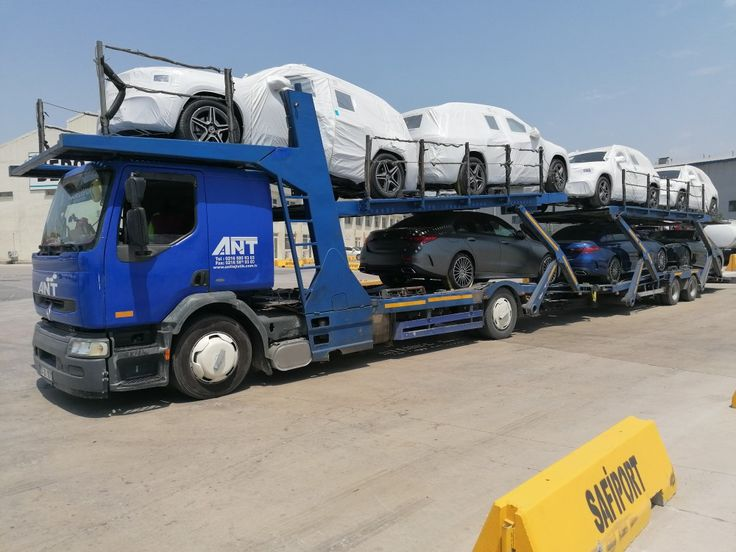
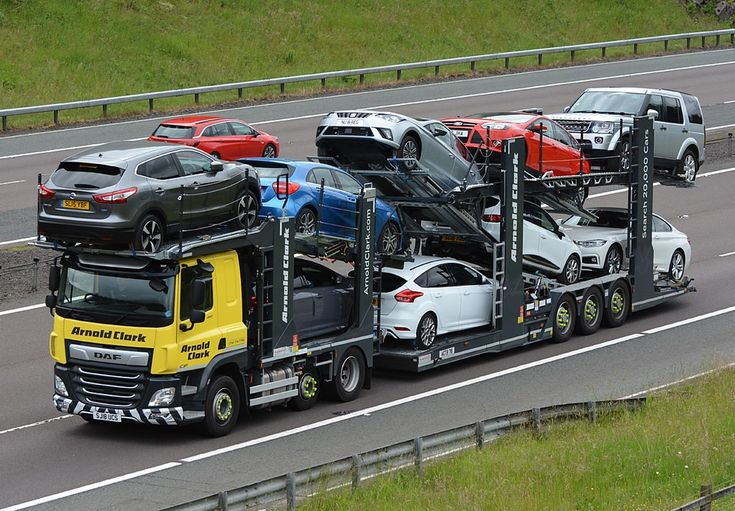
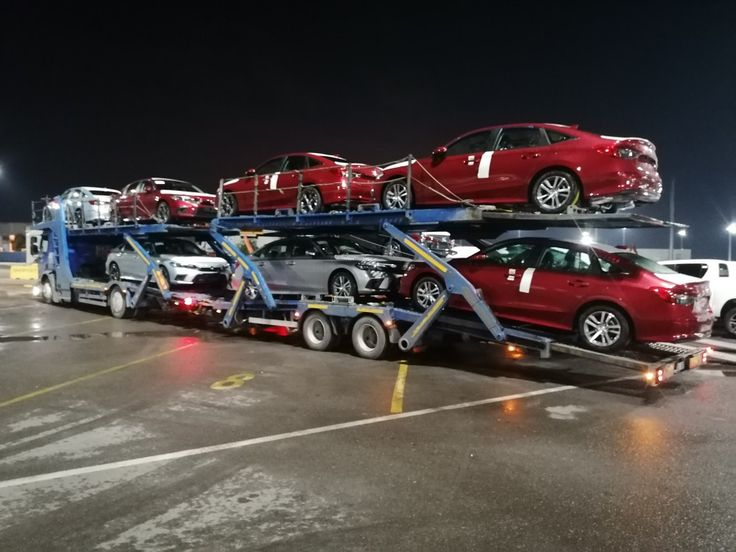
Open Auto Transport
Open carriers are the most affordable option for long-distance vehicle transport.
Advantages include:
- Lower costs
- High carrier availability
- Faster scheduling
- Ideal for most passenger vehicles
Enclosed Auto Transport
Enclosed trailers provide maximum protection from:
- Weather
- Road debris
- Dust
- Theft
- UV exposure
This option is recommended for:
- Exotic cars
- Classic automobiles
- Collector vehicles
- High-value luxury cars
Heavy-Duty Towing
Heavy-duty transport is designed for:
- Commercial trucks
- Construction equipment
- Large vans
- Buses
- Specialty vehicles
These services use reinforced towing equipment capable of handling oversized loads.
Door-to-Door Interstate Transport
Most professional towing companies offer convenient door-to-door service.
Benefits include:
- Pickup from your home or business
- Delivery as close as safely possible to your destination
- Less coordination than terminal-based shipping
- Greater convenience for customers
This is the preferred option for most long-distance vehicle shipments.
How to Prepare Your Vehicle
Before your scheduled pickup:
- Wash the vehicle for inspection.
- Remove personal belongings.
- Leave approximately one-quarter tank of fuel.
- Check tire pressure.
- Ensure the battery is charged.
- Disable alarms.
- Photograph the vehicle before transport.
Proper preparation helps speed up both pickup and delivery.
Choosing the Right Long Distance Towing Company
Not all towing providers offer the same level of service. Before booking, verify that the company provides:
- Licensed and insured carriers
- Interstate operating authority
- Experienced drivers
- Transparent pricing
- Vehicle tracking options
- Positive customer reviews
- Reliable communication
- Cargo insurance coverage
Working with an experienced provider reduces the risk of delays and vehicle damage.
Tips for Saving Money
You can often reduce transportation costs by:
- Booking at least two weeks in advance
- Choosing flexible pickup and delivery dates
- Selecting open transport for standard vehicles
- Comparing quotes from multiple providers
- Avoiding peak moving seasons when possible
Planning ahead usually results in lower prices and better scheduling availability.
Frequently Asked Questions
Is long-distance towing better than driving?
For many situations, yes. Professional transport saves time, reduces fuel and lodging expenses, minimizes wear on your vehicle, and eliminates the stress of long road trips.
Can I tow a non-running vehicle?
Yes. Most long-distance towing companies can transport inoperable vehicles using specialized loading equipment, though additional fees may apply.
Is my vehicle insured during transport?
Reputable towing and auto transport companies typically include cargo insurance during transit. Be sure to verify coverage limits before booking.
How long does interstate towing take?
Delivery times depend on the distance, route, weather conditions, and carrier schedules. Most interstate shipments take between 2 and 8 days, while cross-country transport may take 7 to 10 days.
Why Businesses Use Long Distance Towing Services
Long-distance towing isn’t just for individual vehicle owners. Businesses frequently rely on these services to move:
- Fleet vehicles
- Dealership inventory
- Rental cars
- Corporate vehicles
- Construction equipment
- Government vehicles
Professional towing companies help businesses reduce downtime, streamline logistics, and transport valuable assets safely across state lines.
Final Thoughts
Long-distance towing services provide a dependable solution for transporting vehicles across cities, states, or even the entire country. Whether you’re moving a family car, a luxury automobile, a commercial truck, or a fleet of vehicles, professional interstate towing offers safety, convenience, and peace of mind.
By understanding pricing factors, comparing transport options, and choosing a licensed, insured towing provider, you can ensure your vehicle reaches its destination securely and on schedule while avoiding the costs and risks of a long drive.