
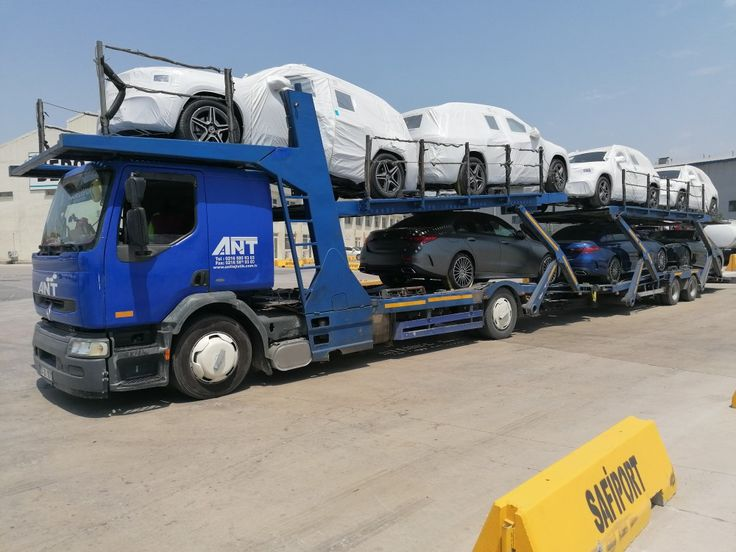
The auto transport industry continues to grow as more people purchase vehicles online, relocate across the country, and rely on professional shipping services. While carriers physically move vehicles, auto transport brokers play a critical role by connecting customers with reliable carriers and managing the shipping process from start to finish.
If you’re interested in starting a business with relatively low startup costs and strong earning potential, becoming an auto transport broker can be an attractive opportunity. This step-by-step guide explains what the job involves, licensing requirements, startup costs, income potential, and how to build a successful brokerage.
What Is an Auto Transport Broker?
An auto transport broker acts as the intermediary between customers who need to ship vehicles and licensed carriers that perform the transportation.
Instead of owning trucks or trailers, brokers focus on:
- Finding qualified carriers
- Negotiating shipping rates
- Scheduling pickups and deliveries
- Managing customer communication
- Tracking shipments
- Resolving transportation issues
- Coordinating paperwork and payments
A broker’s success depends on building a reliable carrier network and providing excellent customer service.
What Does an Auto Transport Broker Do?
Daily responsibilities typically include:
- Responding to quote requests
- Booking vehicle shipments
- Matching loads with licensed carriers
- Negotiating competitive pricing
- Monitoring shipment progress
- Updating customers on delivery status
- Handling invoices and payments
- Managing claims or service issues when necessary
Most brokers spend their workday using transportation management software, load boards, email, and phone communication.
Step 1: Learn the Auto Transport Industry
Before launching your business, it’s important to understand how vehicle transportation works.
Study topics such as:
- Open vs. enclosed transport
- Door-to-door shipping
- Interstate regulations
- Carrier insurance requirements
- Dispatch procedures
- Vehicle inspections
- Pricing strategies
- Seasonal demand
The more industry knowledge you have, the more confidence you’ll inspire in customers.
Step 2: Register Your Business
Choose a legal business structure that fits your goals.
Common options include:
- Sole Proprietorship
- Limited Liability Company (LLC)
- Corporation
- Partnership
Many brokers choose an LLC because it separates personal and business liabilities while offering operational flexibility. Consult a legal or tax professional to determine the best structure for your situation.
Step 3: Obtain Required Licensing and Registration
Auto transport brokers operating in interstate commerce must comply with federal requirements.
Typical steps include:
- Register your business entity.
- Obtain an Employer Identification Number (EIN), if applicable.
- Apply for the appropriate federal operating authority.
- Meet required bonding and insurance obligations.
- Comply with state and local business licensing requirements where applicable.
Regulatory requirements can change over time, so always verify the latest rules before starting operations.
Step 4: Secure a Surety Bond
Most interstate auto transport brokers are required to maintain a surety bond. This financial protection helps safeguard customers and carriers if the broker fails to meet certain contractual obligations.
The bond amount required depends on current federal regulations. Your annual premium is typically based on factors such as your credit history, business experience, and financial profile.
Step 5: Build Relationships With Reliable Carriers
Your carrier network is one of your greatest business assets.
When evaluating carriers, look for:
- Active operating authority
- Appropriate cargo and liability insurance
- Positive customer reviews
- Strong safety record
- Reliable communication
- Experience with the types of vehicles you plan to ship
Maintaining long-term relationships with dependable carriers often leads to better pricing and smoother operations.
Step 6: Invest in the Right Technology
Modern brokers rely on software to manage shipments efficiently.
Helpful tools include:
- Transportation Management Systems (TMS)
- Customer Relationship Management (CRM) software
- Online quoting tools
- Electronic document management
- Digital payment processing
- Shipment tracking platforms
Automation reduces administrative work and improves the customer experience.
Step 7: Create a Professional Online Presence
Many customers search online before choosing an auto transport broker.
A professional website should include:
- Online quote request form
- Service descriptions
- Customer testimonials
- Frequently asked questions
- Contact information
- Service areas
- Licensing and insurance information
Optimizing your website for search engines can help generate consistent inbound leads.
Step 8: Develop a Marketing Strategy
Successful brokers use multiple marketing channels to attract customers.
Popular strategies include:
- Search engine optimization (SEO)
- Google Ads and pay-per-click advertising
- Content marketing
- Email campaigns
- Referral partnerships
- Social media marketing
- Online business directories
Providing educational content and transparent pricing can help build trust with prospective clients.
How Much Does It Cost to Start an Auto Transport Brokerage?
Startup costs vary depending on your business model and technology needs.
Common expenses include:
| Expense | Estimated Cost |
|---|---|
| Business Registration | $100–$500 |
| Surety Bond Premium | Varies based on qualifications |
| Website Development | $500–$5,000 |
| Software & CRM | $50–$300 per month |
| Marketing & Advertising | $500–$5,000+ |
| Office Equipment | $500–$2,000 |
Starting from a home office can significantly reduce overhead during the early stages.
How Much Can an Auto Transport Broker Earn?
Income depends on shipment volume, profit margins, and business efficiency.
Factors affecting earnings include:
- Number of monthly shipments
- Average broker fee per shipment
- Marketing effectiveness
- Carrier relationships
- Customer retention
- Operating expenses
Experienced brokers with strong systems and a loyal customer base may generate substantial revenue by managing a consistent flow of shipments.
Skills Every Successful Broker Needs
Strong brokers combine industry knowledge with excellent business skills.
Key qualities include:
- Communication
- Negotiation
- Customer service
- Sales
- Organization
- Problem-solving
- Time management
- Attention to detail
Building trust with both customers and carriers is essential for long-term success.
Challenges to Expect
Like any business, auto transport brokerage comes with challenges, including:
- Seasonal fluctuations in demand
- Carrier availability
- Fuel price changes
- Delivery delays caused by weather
- Customer expectations
- Intense competition
Having clear processes and maintaining strong communication can help minimize these challenges.
Tips for Growing Your Brokerage
To expand your business over time:
- Focus on outstanding customer service.
- Build relationships with dependable carriers.
- Encourage satisfied customers to leave reviews.
- Invest in SEO and digital marketing.
- Automate routine administrative tasks.
- Track key performance metrics.
- Continue learning about industry trends and regulations.
Consistent service quality often leads to repeat customers and referrals.
Frequently Asked Questions
Do I need to own trucks to become an auto transport broker?
No. Brokers coordinate vehicle shipments but do not need to own transport trucks or trailers.
Can I work from home?
Yes. Many brokers successfully operate from home using a computer, internet connection, phone, and transportation management software.
Is experience required?
Prior logistics or transportation experience is helpful but not always necessary. Many successful brokers learn through industry training, mentorship, and hands-on experience.
Is auto transport brokerage profitable?
It can be profitable when supported by effective marketing, strong carrier relationships, efficient operations, and excellent customer service. Results vary depending on business performance and market conditions.
Final Thoughts
Becoming an auto transport broker offers an opportunity to enter a growing logistics industry without investing in a fleet of trucks. By understanding industry regulations, building a dependable carrier network, using modern software, and delivering exceptional customer service, you can create a brokerage that serves both individual and commercial clients.
Success takes planning, persistence, and a commitment to professionalism. With the right systems in place and a focus on long-term relationships, an auto transport brokerage can become a scalable business with recurring revenue and strong growth potential.