





iPhone Air First Look: Unboxing, Initial Reactions, and the Big Questions
The moment has finally arrived. The box for the all-new iPhone Air is sitting right here, and the excitement is real. This isn’t going to be a standard review—I’ve just unboxed the device, and I’ll also be sharing my long-term experiences with it in the future. In this first look, we’ll go through the unboxing, my initial impressions, and the key points you should know before considering a purchase. Let’s get started.
The Unboxing Experience: A Return to excitement
There’s a certain magic to unboxing a truly new product. For the last few years, new iPhones have felt iterative—”Oh, it’s the new Pro Max.” But this? This feels different. The iPhone Air brings back that genuine thrill.
Inside the sleek box, you’ll find:
-
The iPhone Air itself.
-
A lovely braided USB-C cable.
-
No stickers. Apple has clearly embraced a minimalist approach for this new lineup.
Design Deep Dive: Thin, Light, and Polished
The first thing you notice is just how incredibly thin this device is. Comparing it to the latest Samsung Galaxy Edge, the iPhone Air is slightly thinner. While the Edge might be a touch lighter, the difference is negligible.
The design features two major talking points:
-
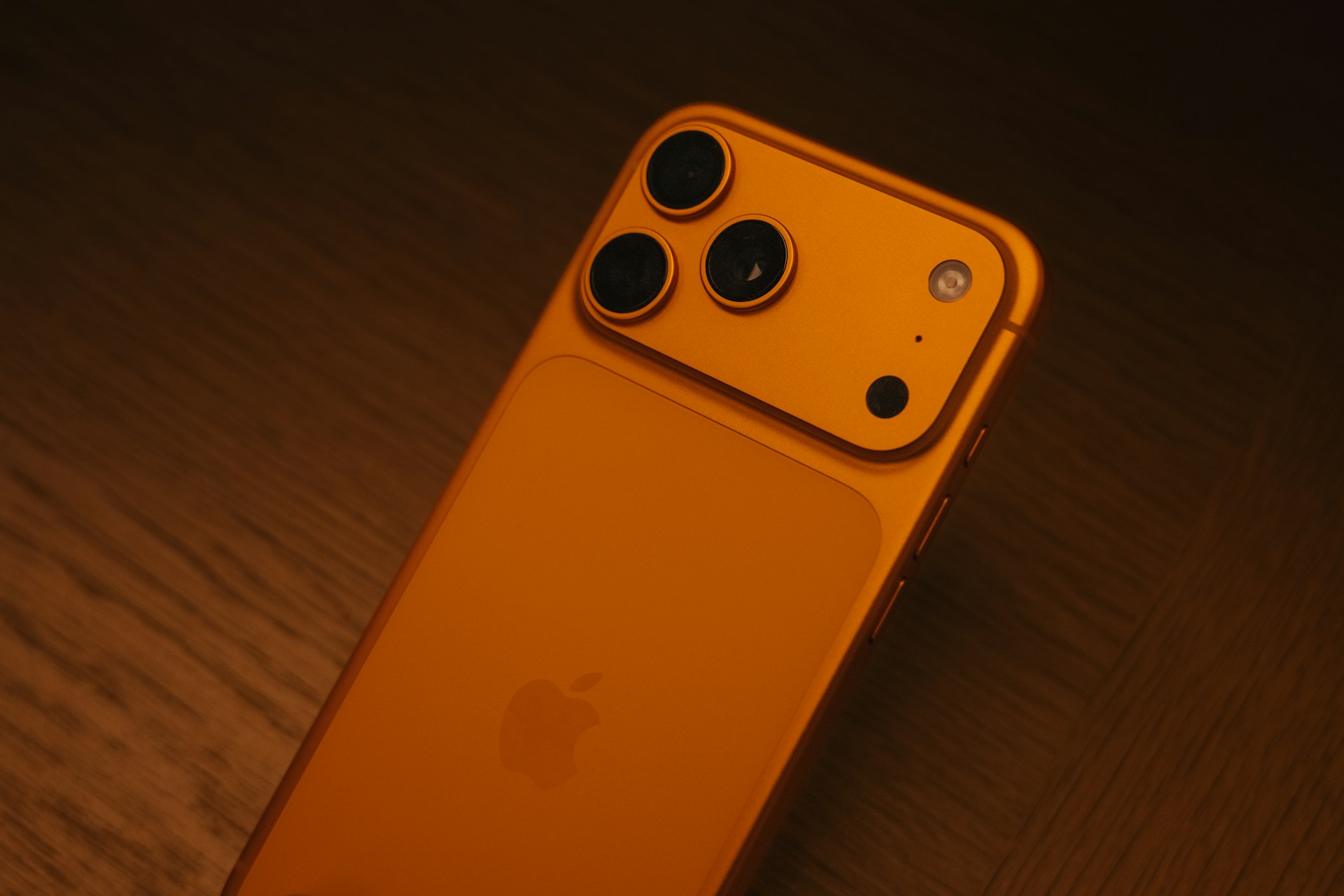
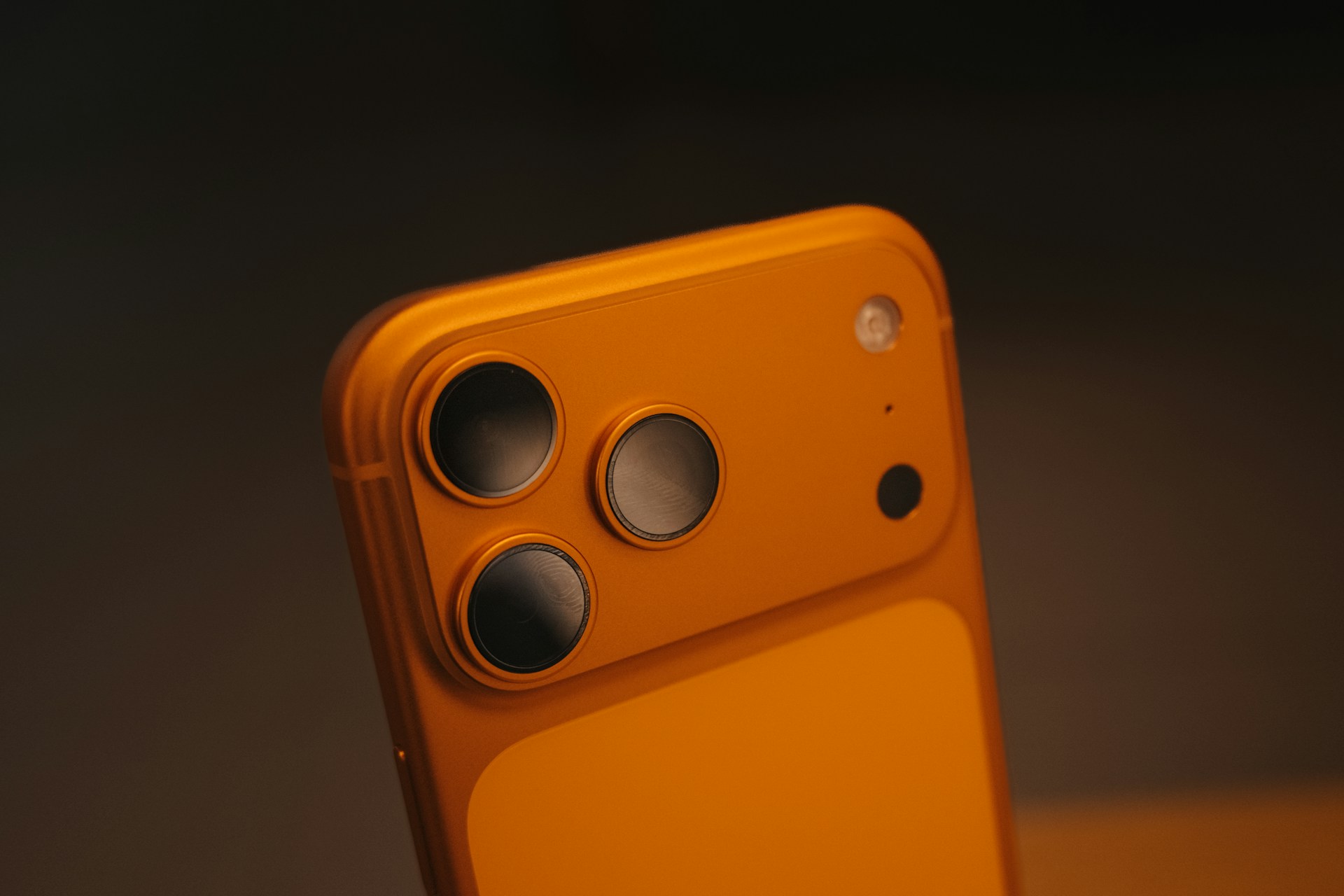
The Plateau Camera Ridge: Forget the raised, isolated camera bump of previous models. The iPhone Air features a “plateau”—a camera ridge that runs across the entire width of the phone. While it reduces wobble compared to an iPhone 16 Pro Max, it doesn’t eliminate it entirely when placed on a flat surface.
-
The Polished Aluminum Sides: Apple made a smart choice by using a polished, shiny aluminum for the edges. This contrasts with the matte, titanium sides of the Pro models and gives the Air a distinct, premium feel that hearkens back to classic iPhone designs.
Where Does the iPhone Air Fit? The New Apple Lineup
The launch of the iPhone Air significantly reshuffles Apple’s smartphone lineup:
-
iPhone 16e: The entry-level model.
-
iPhone 17: The standard model (the Plus model is now gone).
-
iPhone Air: The new, sleek middle child designed for style and portability.
-
iPhone 17 Pro & Pro Max: The professional-grade powerhouses for creators and power users.
The iPhone Air carves out a new niche. It’s not a direct Plus replacement; it’s something entirely different, sitting in a category of its own.
Key Features & What You Need to Know
After setting it up and looking at the stunning display, here are the critical details potential buyers must be aware of, based on early reports and hands-on experience.
1. No SIM Card Tray & The New Selfie Cam
-
eSIM Only: In a first for many regions like the UK, the iPhone Air has no physical SIM card tray. This move is to maximize internal space for the battery.
-
Revolutionary Selfie Camera: This might be one of Apple’s biggest features this year. The front camera uses a new square sensor, allowing you to capture a photo and then seamlessly switch between landscape and portrait orientation later. It automatically widens the frame if more people enter the shot, solving a common frustration.
2. Early Reviews: The Potential Compromises
Early adopters and reviewers have highlighted a few points that Apple’s marketing doesn’t emphasize:
-
Cooling: The ultra-thin design can lead to the phone running warm during intensive tasks. The big question is whether this heat seeps into everyday usage like social media, calls, and browsing.
-
Battery Life: Apple claims 27 hours of video playback, but real-world tests suggest closer to 10.5 hours of screen-on time, likely requiring one recharge per day. The timing of that recharge will be crucial for the user experience.
-
Camera System: The iPhone Air features a single-lens camera system on the rear, with 1x and 2x optical zoom options (digital zoom goes up to 10x). It lacks an ultra-wide lens, which is a notable omission for some users.
-
Performance: It’s powered by the speedy A19 Pro chip (6-core CPU, 5-core GPU)—one GPU core less than the Pro models, which is a factor for hardcore mobile gamers.
-
Durability: Apple claims this is its “most robust iPhone ever,” with strengthened glass and a structure designed to flex and return to shape. While I won’t be performing a bend test, I’ll be using it mostly without a case to put its durability to a real-world test.
*A quick thanks to our sponsor, dbrand, for hooking us up with their sleek Ghost Case (clear, non-yellowing) and rugged Grip Case to keep this beautiful phone protected. Their Prism 2.0 screen protector is also a must-have.*
Final Thoughts: Who Is the iPhone Air For?
So, what is the role of the iPhone Air? I believe it serves two purposes:
-
A Test for the Future: Apple is testing the waters with this radical design, gathering data and user feedback for future iterations.
-
A Glimpse of a Foldable: Many rumors suggest this could be the first half of the technology needed for a future iPhone Fold, potentially arriving in 2026.
Who will buy it? It will sell incredibly well. Its stunning design and Apple’s masterful marketing will win over millions who prioritize aesthetics and the “new” factor.
However, for the discerning buyer, it presents a dilemma: Do you choose the proven reliability of the iPhone 17 or Pro models, or do you take a risk on the breathtaking but potentially compromised iPhone Air?
I’m making the switch. The iPhone Air will be my main phone for the next several months. I’ll be reporting back with a long-term review on battery life, durability, and camera performance.
What do you think? Are you buying an iPhone Air? Why or why not? Let me know in the comments below!