
We tracked real carrier rates across major New York to Pennsylvania car shipping corridors this season to give you an honest breakdown no hidden broker fees or surprise surcharges. Whether you are moving a family sedan from Manhattan to Philadelphia or shipping an SUV from Buffalo to Pittsburgh, finding reliable auto transport shouldn’t feel like a guessing game. Our 2026 data reflects live market shifts, direct from carrier pricing, and actual transit times across the I-95 and PA Turnpike routes so you can plan your move with complete transparency.
How Much Does It Cost to Ship a Car From New York to Pennsylvania?
When we calculate auto logistics rates along the busy Northeast corridors, the actual distance between your pickup spot in New York and your delivery point in Pennsylvania is only part of the equation. In our years of analyzing active dispatch boards, we have found that two massive decisions dictate your baseline price: trailer configuration and vehicle footprint.
Let’s pull back the curtain on current 2026 freight market data and look closely at how these operational factors impact your real-world out-of-pocket costs.
Open vs. Enclosed Auto Transport Costs (2026 Rates)
When you book a spot with an auto hauler, you are essentially renting space on a trailer. The type of trailer you choose changes how carriers calculate their risk and fuel consumption.
Here is exactly how we break down the costs and mechanical realities of these two methods for the NY to PA route:
Open Auto Transport: The Budget-Friendly Standard
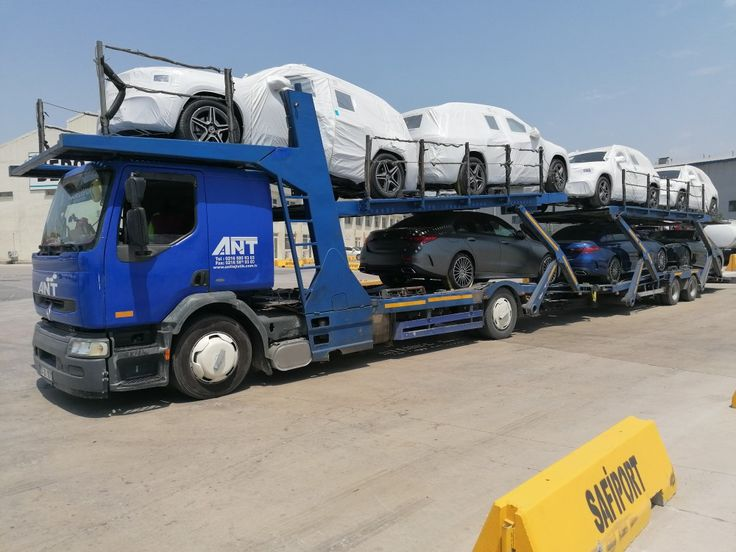
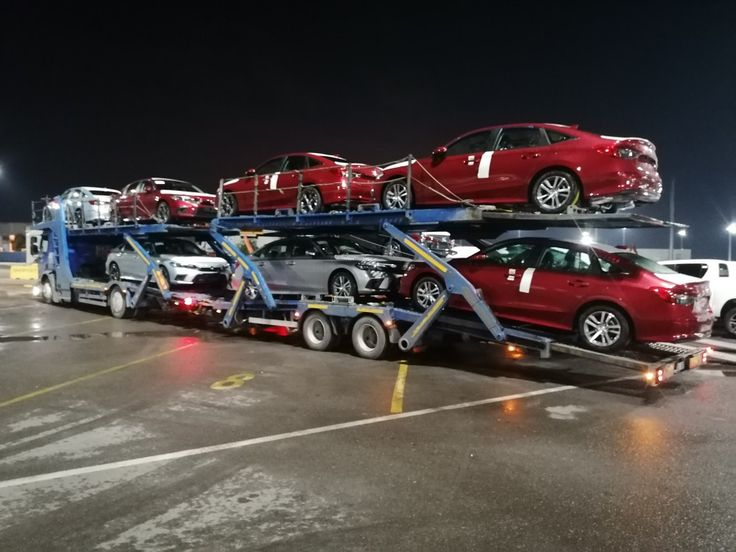
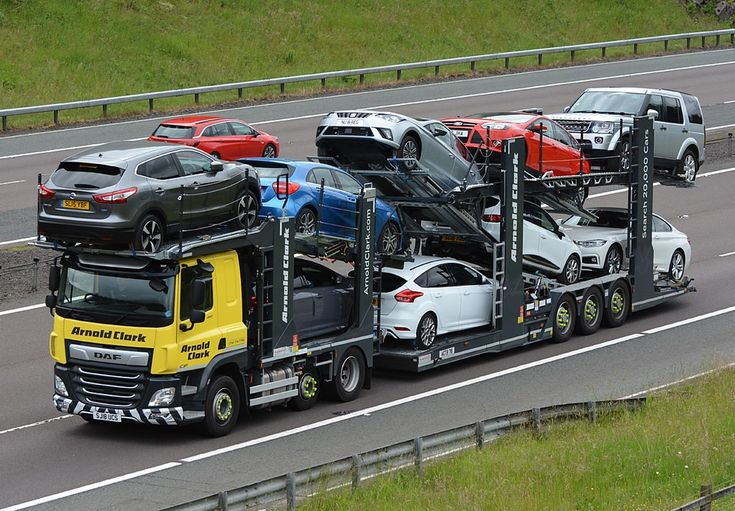
We find that roughly 95% of our clients choose open-air multi-car carriers. These are the same double-decker trailers you see delivering inventory to local dealerships along the Pennsylvania Turnpike. Because your vehicle shares a trailer with 7 to 9 other cars, the carrier’s fuel and toll overhead are divided across multiple spots.

What we tell our clients: Your car will be exposed to standard highway elements like rain, road dust, and wind. If your vehicle is a reliable daily driver, open shipping offers the absolute best value per mile.
Enclosed Auto Shipping: High-Value White-Glove Protection
If you are moving a vintage muscle car, an exotic, or a brand-new luxury vehicle, we strongly advise bypassing open trailers entirely. Enclosed transport utilizes hard-sided, weather tight trailers that completely seal your car away from road debris, track grit, and unpredictable Northeast weather.
Because these specialized trailers carry fewer vehicles (usually only 2 to 6 at a time) and require higher cargo insurance limits, carriers charge a premium of 30% to 50% more than open shipping.
Cost Breakdown by Vehicle Size (Sedan, SUV, Truck,EVs)
A common mistake we see folks make is assuming that a 150-mile journey costs the same for every type of vehicle. In reality, car hauling is a balancing act of weight and physical dimensions.
Carriers are bound by strict legal weight limits set by the Department of Transportation (DOT), and physical space on a trailer is finite. The larger and heavier your vehicle is, the more fuel the truck burns, and the more physical “slots” your vehicle might obstruct.
Here is a look at how average 2026 carrier pricing shifts based on the class of vehicle you drive:
- Standard Sedans & Coupes (e.g., Honda Civic, BMW 3 Series): $370 – $550 These vehicles are the baseline for auto logistics quotes. They have low profiles, weigh under 4,000 pounds, and easily fit onto any standard tier of an open multi-car hauler without blocking clearance for other vehicles.
- Compact to Mid-Size SUVs & Crossovers (e.g., Toyota RAV4, Jeep Grand Cherokee): $450 – $750 As soon as you cross into the SUV category, the higher rooflines and increased curb weight require careful asset placement by the driver. Expect an additional $75 to $150 over standard sedan pricing to account for the extra space they occupy on the deck.
- Full-Size Trucks, Large SUVs & Vans (e.g., Ford F-150, Chevy Suburban): $625 – $985+ Full-size pickup trucks and extended SUVs push both weight and physical dimensions to the absolute limit. These heavy-duty vehicles take up significant weight capacity on a trailer, which occasionally forces a driver to leave an adjacent slot completely empty. Because they restrict the carrier’s total payload capacity, they command the highest rates on the route.
- The 2026 Electric Vehicle (EV) Factor: +$100 to +$250 Surcharge We are seeing a major operational shift this year regarding Electric Vehicles (like Tesla, Rivian, or Lucid). Because EV battery packs make these cars significantly heavier than traditional gas vehicles, they hit the truck’s legal weight capacity much faster. If you are shipping an EV from New York to Pennsylvania, we always advise clients to factor in a weight surcharge, as carriers must balance their total trailer payload differently now.
An Insider Metric to Keep in Mind: Short-haul routes under 500 miles (like New York to Pennsylvania) naturally carry a higher cost per mile rate (often $1.25 to $1.85 per mile) compared to cross-country trips. This is because the carrier still invests the exact same amount of physical labor, time, and fuel into loading, tying down, and unloading your vehicle whether they drive it 100 miles or 1,000 miles.
Popular NY to PA Shipping Routes & Transit Times
When we coordinate vehicle shipments between New York and Pennsylvania, we categorize the state to state lanes into three distinct freight corridors. Each layout features unique geographic challenges, infrastructure tolls, and specific truck restrictions that directly dictate your final dispatch price and delivery calendar.
New York City (NYC) to Philadelphia, PA
- Average Distance: 95 – 110 miles
- Standard Transit Time: 1 – 2 Days (Often same-day once loaded)
- 2026 Open Carrier Rate: $370 – $615
Based on active 2026 terminal data and multi-car haul patterns, here is exactly what we expect on these primary routes:
Local Transit Realities:
Don’t let the short, 100 mile distance fool you this is one of the most operationally intense short-haul corridors on the East Coast. When we route trucks out of the five boroughs (Brooklyn, Queens, Manhattan, the Bronx, or Staten Island), the carrier faces immediate overhead spikes. Between the steep George Washington Bridge or Verrazzano-Narrows tolls and severe urban congestion, local freight handling requires precision.
What we explicitly tell clients:
Most full size 9 car haulers legally cannot enter tight residential streets in Brooklyn or Manhattan due to low hanging trees and tight turns. Because of this, we frequently arrange accessible staging points such as large commercial parking lots right off the New Jersey Turnpike or outer highway boundaries to save you from paying an additional local flatbed shuttle fee.
New York City (NYC) to Pittsburgh, PA
- Average Distance: 370 – 395 miles
- Standard Transit Time: 1 – 3 Days
- 2026 Open Carrier Rate: $706 – $985
Highway Corridor Dynamics:
Shipping from the NYC metro area westward to Pittsburgh shifts your vehicle onto a major commercial freight pipeline, primarily following the I-80 West or the Pennsylvania Turnpike (I-76). This route is incredibly popular for car carriers because it connects two massive economic hubs. Since trucks can maintain consistent highway speeds once they clear the North Jersey bottlenecks, the cost-per-mile on this run drops significantly compared to shorter city-to-city trips.
The 2026 Freight Shift:
This lane experiences sudden seasonal pricing fluctuations during late autumn and winter. As trucks navigate the treacherous, high-elevation stretches of the Allegheny Mountains, winter weather patterns can cause brief transit delays. When we monitor active dispatch boards during snow storms, we often see spot prices temporarily rise as carriers adjust for the increased risk of winter driving.
Upstate NY (Albany/Buffalo) to Central Pennsylvania
- Average Distance: 180 – 295 miles
- Standard Transit Time: 1 – 3 Days
- 2026 Open Carrier Rate: $369 – $650
Our Inside Logistics Take:
When we move vehicles out of Upstate New York hubs like Albany, Syracuse, or Buffalo down into Central Pennsylvania regions (such as Harrisburg, Scranton, or Allentown), we bypass the nightmare of NYC metro traffic entirely. Carriers heavily favor these routes because they utilize wide-open, driver friendly interstate links like I-81 South or I-90.
Because regional infrastructure tolls are lower and trucks face minimal gridlock, booking a carrier on these upstate corridors is highly efficient. Same-week pickups are incredibly common here, making it one of the easiest regional auto movements we manage all year.
How Does the Vehicle Transport Process Work?
Moving a vehicle across state lines doesn’t have to be complicated. When we coordinate a shipment from New York to Pennsylvania, we strip away the industry fluff and follow a strict three-step protocol to guarantee a safe, legal transit.
Request a Transparent Quote & Book
Everything starts with an accurate profile of your move. We collect your pickup ZIP code, delivery destination, vehicle condition (operable or inoperable), and your preferred trailer type (open or enclosed).
Our 2026 Pricing Rule: Always make sure your quote explicitly includes federal DOT safety compliance, cargo insurance liabilities, and all state toll clearances. We lock in a guaranteed carrier rate upfront so you never face surprise fuel surcharges at the drop-off point.
Preparing Your Car for Pickup
Before the carrier arrives at your New York location, you need to get the vehicle ready for open highway transit.
- Clean the Interior & Exterior: A clean car allows for an accurate pre-load inspection.
- Remove Personal Belongings: By law, commercial auto haulers are not licensed to transport household goods or loose items inside the cabin. Leave only the spare tire and jack.
- Check Fluid Levels & Battery: Ensure the vehicle has roughly 1/4 tank of gas this gives the driver enough fuel to safely maneuver the car onto the trailer decks without adding unnecessary weight to the total payload.
Vehicle Delivery & Final Inspection
Once the truck clears the Pennsylvania border and nears your delivery address, the driver will call you roughly 2 to 3 hours in advance to finalize the meeting spot.
We use a standardized digital protocol called the eBOL (Electronic Bill of Lading). You and the driver will physically walk around the vehicle together, checking it against the initial pickup report. Once you confirm the vehicle’s condition matches perfectly, you sign off digitally on the driver’s tablet to officially release the cargo and conclude the shipment.
Behind the Quote: How We Calculate Your Final Car Shipping Cost
Seasonal Demand & Winter Weather
When you look at the calendar to plan your move, you aren’t just picking a date you are entering a live, shifting carrier market. Throughout the year, seasonal demand and regional weather patterns are the heavy hitters that dictate final car shipping rates.
During the winter months, personal vehicle shipping generally hits an off peak lull, which can mean base discount rates for flexible routes. However, the true price driver here is regional complexity and severe weather conditions like ice, snow, and winter storms. If your route cuts through the Midwest or the Northeast during a blizzard, our drivers have to navigate hazardous roads, plan for extended transit times, and implement strict safety protocols. This extra time on the road increases operational costs, which naturally reflects in winter surcharges.
Then there is the famous “Snowbird Season” migration. Every late autumn and early winter, thousands of travelers move from freezing northern states to warmer southern climates like Florida, Arizona, and Texas. Because of this massive geographic distribution of demand, southbound routes become incredibly tight. Conversely, if you ship your car counter-flow say, moving a vehicle north while everyone else is heading south we can often leverage that excess carrier capacity to score you a much lower rate.
Operable vs. Inoperable Vehicles
One of the first questions we will ask you when building your quote is simple: “Does the vehicle roll, steer, and brake?” The physical operational status of your automobile plays a massive role in how we allocate equipment and calculate labor costs.
An operable vehicle is straightforward we can simply drive it straight onto an open-air or enclosed multi-car trailer under its own power. But if your vehicle is inoperable (meaning it doesn’t start, has a dead battery, or was damaged in an accident), it becomes a non-running freight challenge. Loading a non runner requires specialized loading equipment, extra care, and serious physical labor to prevent any structural damage.
To safely load a non-running car without ruining its alignment or undercarriage, our team has to utilize specialized tools:
- Heavy-Duty Winches: A motorized chain or cable system attached to the front of the transport trailer to slowly drag the vehicle up the loading ramps.
- Roll-Back Flatbeds or Forklifts: Essential for terminal to terminal transfers if the vehicle cannot guide itself onto a standard multi-car carrier deck.
Because of this intensive handling, specialized tool requirements, and the extra slot time it takes our drivers to secure a non runner, an inoperable vehicle status typically adds an industry-standard premium of $150 to $300 (or more) to your final shipping invoice. If you are looking to save on these costs, making sure the car can at least steer and brake before the carrier arrives is always a smart move.
New York to Pennsylvania Car Shipping FAQs
The most budget-friendly method for car transport from New York to Pennsylvania is booking a spot on an open auto transport carrier and maintaining flexible pickup dates. Open multi-car trailers divide fuel overhead and toll costs across 7 to 9 vehicles, making it significantly cheaper than enclosed shipping.
Additionally, choosing terminal to terminal shipping or meeting a driver at an accessible commercial staging point right off major highways (like the New Jersey Turnpike or I-80) can help you bypass local flatbed shuttle fees often charged for navigating tight residential streets in urban areas like Brooklyn or Manhattan.
On average, the New York to Pennsylvania car shipping cost ranges between $370 and $650 for a standard, operable sedan on an open trailer. However, your final vehicle transportation invoice depends on specific variables:
- Distance & Corridor: Shorter runs like NYC to Philadelphia are priced lower ($370 – $615) compared to cross-state routes like Buffalo to Pittsburgh ($700 – $985).
- Vehicle Footprint: Compact cars serve as the baseline, while mid-size SUVs, full-size trucks, and heavy Electric Vehicles (EVs) face weight or size surcharges due to strict Department of Transportation (DOT) axle limits.
Because this is a short-haul regional corridor (typically averaging 100 to 400 miles depending on the specific cities), the actual transit time once your vehicle is loaded onto the trailer is usually 1 to 2 days. Most standard auto haulers easily cover 500 miles per day.
While same-week pickup options are highly common along busy pipelines like the I-95 or I-80 freight corridors, we always advise clients to factor in potential winter weather delays or traffic congestion bottlenecks around major metropolitan hubs.
We strongly advise removing all personal items and household goods from your automobile prior to the carrier’s arrival. By federal law, commercial car shipping companies are restricted by the Department of Transportation (DOT) from hauling household freight inside vehicles.
More importantly, loose items inside the cabin are completely excluded from the carrier’s cargo insurance coverage policy. Leaving objects inside can also push the truck over its legal weight limits, so please keep only the spare tire, jack, and roughly a 1/4 tank of gas in the vehicle.
Yes, either you or a designated representative over the age of 18 must be physically present at both the pickup point in New York and the delivery destination in Pennsylvania. This is a critical step for legal and insurance protections.
You or your agent will perform a physical walk-around inspection with the driver to document the automobile’s pre load condition on a digital Bill of Lading (eBOL). Upon safe arrival at the delivery spot, a final inspection is done to verify the vehicle’s condition matches perfectly before signing off on the cargo release.
No, you do not need to purchase separate short-term insurance for the move. Every reputable auto transport service provider we source must carry a valid, primary cargo insurance policy that protects your vehicle against transit damage caused by equipment failure, accidents, or driver negligence while on the trailer.
Before handing over your keys, we always recommend verifying the carrier’s specific coverage limits and checking your existing personal auto policy, as many insurers provide secondary coverage during professional vehicle transit.
3 Comments
Your comment is awaiting moderation.
Hey, check out 42betapp. Got myself a decent little win today. App’s easy to use and deposits were quick. I recommend it 42betapp.
Your comment is awaiting moderation.
Found a real gem with auoz2win after trying a dozen other sites. The welcome bonus matched perfectly and the wagering requirements were actually achievable. Their loyalty program rewards consistency and the app never crashes during big matches. Keep it up. auoz2win
Your comment is awaiting moderation.
djgldsevwkrtndeuljwglwdunronxx
Et non voluptas qui eaque ut explicabo. Autem ipsa unde quia voluptas. Aut illum cumque eaque reiciendis aperiam. Sapiente iure necessitatibus veritatis et fuga. Nulla aut praesentium sapiente sapiente quos delectus. Aut qui at magnam iste asperiores ullam vitae. Neque voluptatem quaerat non. Sapiente soluta tempore nisi est et aut. Sed minus et sunt cumque molestiae facere porro. Quisquam odio sint quidem doloribus debitis enim reiciendis. Nobis vel velit omnis quasi quibusdam. Quia quos sed deleniti distinctio officiis quia.
Et ducimus placeat commodi minus voluptas. Ducimus tempora quos. Et architecto recusandae exercitationem tempora illum. molestiae impedit. Doloremque temporibus nostrum eum ipsam quam necessitatibus et. ut alias sed et est. Et quasi rerum. modi rem perferendis provident fugit.
Earum porro dolores accusantium eius sunt. Quasi corrupti suscipit. Vitae odit nihil omnis nisi et