Virginia to Illinois Car Shipping | 2026 Costs, Times & Routes
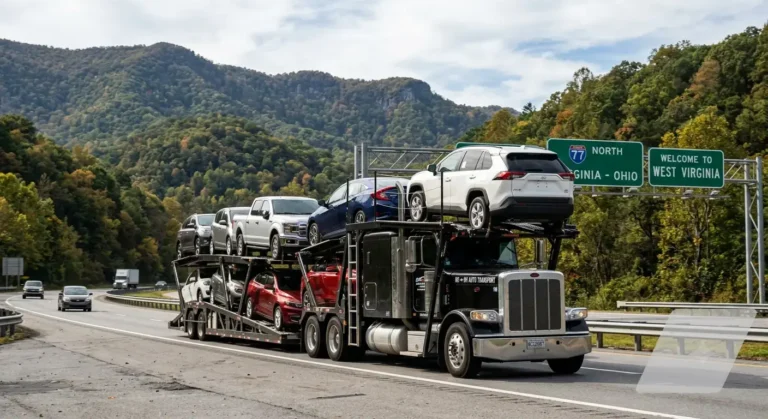
Shipping a vehicle across the 750 to 900-mile corridor from Virginia to Illinois Car Shipping involves far more than hitting the highway. Running heavy multi car carriers through Northern Virginia gridlock, across the steep Appalachian passes via I-64 and I-70, and into Chicago’s intense metro traffic requires expert coordination.
At VergeVox, we streamline this high-demand lane regularly fueled by military PCS moves out of Naval Station Norfolk, corporate relocations from the DC tech corridor, and Manheim auto auction flows. By matching you with fully vetted, FMCSA-licensed transport specialists, we guarantee a secure and seamless 2 to 4 business days door to door transit.
Total Distance
750 – 900 Miles
Transit Window
2 – 4 Business Days
Avg. Cost Range
$699 – $1,050
Virginia to Illinois Car Shipping: Route Overview & What to Expect
Core Corridor Stats: Distance, Average Rates & Transit Times
The mid haul transit from Virginia down into the heart of Illinois covers key economic highway arteries. Most configurations run seamlessly under 4 days, depending closely on whether you drop off in urban zones or rural counties.
Why the VA-IL Midwest Corridor (I-64/I-70) is Heavily Booked
Because of heavy commercial interchange between the Mid Atlantic ports and the distribution hubs of Chicago and central Illinois, vehicle dispatch spaces fill quickly. Fleet allocation is consistent year round.
Why Choose VergeVox for Your Virginia to Illinois Car Shipping
When it comes to Virginia to Illinois car shipping, VergeVox Auto Transport is engineered to make interstate logistics completely stress and headache free. Backed by a vast, robust nationwide network of carriers, we consistently deliver highly reliable and secure services tailored to a wide range of vehicle classifications.
Door-to-Door Vehicle Shipping Across Both States
For those new to cross state vehicle shipping, both Virginia and Illinois feature dense, highly connected highway systems. This infrastructure allows VergeVox carriers to execute smooth, convenient pickups and deliveries along key transit routes. Our logistics specialists utilize major interstate lifelines such as I-64, I-70, and I-81 to easily navigate your vehicle to its final destination safely.
Fully Licensed, Insured & FMCSA-Bonded Carrier Network
With years of dedicated route expertise, VergeVox coordinates thousands of successful shipments between Virginia and Illinois every single year. This extensive track record represents our deep familiarity with the corridor’s terrain, allowing us to manage transit schedules perfectly and deliver your car safe, sound, and precisely on time.
🛡️
100% Vetted Carriers
We only source drivers holding high safety compliance ratings with active FMCSA credentials.
💰
No Hidden Fees
Locked in rates that cover all transit tolls, fuel costs, and required cargo insurance allocations.
📱
Route Tracking
Stay clearly informed during the entire journey with routine dispatcher checkpoint updates.
How Much Does It Cost to Ship a Car From Virginia to Illinois? (2026 Price Guide)
Furthermore, our expansive driver network allows us to negotiate highly competitive, cost effective shipping rates on this lane. Combining this network advantage with our user friendly, instant online quote calculator, VergeVox offers a transparent and affordable transit solution customized perfectly to your personal vehicle shipping needs.
Average Rates Breakdown (Open vs. Enclosed Carrier Costs)
Open transport tiers stay budget-friendly, while enclosed configurations carry a clean margin surcharge to guarantee total climate isolation.
Virginia to Illinois Price Matrix by Vehicle Type
Sedans typically register at base levels ($699-$850). Heavy pickup trucks and SUVs adjust higher based on spacing volume limits on the multi-car rigs.
Budget Friendly vs. Expedited Auto Transport Pricing
If you require guaranteed next day dispatch windows, choosing expedited scheduling changes the lane pricing metric to cover custom route routing.
Key Factors That Affect Your Virginia to Illinois Auto Transport Cost
Interstate auto shipping rates are never flat. When calculating the pricing model for the Virginia to Illinois corridor, logistics dispatchers evaluate several moving variables rather than just simple highway miles. Understanding how these factors influence your final quote prevents unexpected surcharges and helps you schedule your shipment at the absolute best market rate.
Route & Lane Density
While the physical distance spans $750$ to $900$ miles, high-density metropolitan routes (Richmond to Chicago) enjoy massive carrier volumes along I-64/I-70, keeping rates low. Off-route rural pickups (Blacksburg or Carbondale) require highway diversions and a standard rural surcharge.
Dimensions, Weight & Clearance
Large trucks and SUVs take up $1.5$ times the physical space of standard sedans. Heavy Electric Vehicles (EVs) are $30 text to 40$ heavier due to floor mounted battery packs, requiring weight-adjusted tariffs. Low clearance cars require specialized hydraulic ramps to protect the undercarriage.
Seasonality & Weather Hazards
Summer peak (May–August) brings carrier shortages due to Norfolk military PCS relocations. Winter hauls (December–February) navigate treacherous, snow-prone Appalachian passes on the I-64 corridor. Active rates instantly adjust to national diesel price fluctuations.
Operable vs. Salvage Transport
Running vehicles drive directly onto the carrier bed without extra fees. Salvage or project vehicles purchased from auctions (Copart Manassas or Manheim Fredericksburg) require specialized winch equipped trucks to load safely, adding a standard surcharge of $150$ to $300$.

Open vs. Enclosed Car Shipping: Which Option Fits Your Vehicle?
Choosing how to ship your vehicle along the Virginia to Illinois transit corridor requires balancing budget, asset value, and protective coverage. While both transport models are structurally secure, they cater to vastly different vehicle classes and ownership priorities. Selecting the right trailer type prevents both unnecessary spending on standard vehicles and risky road exposure for high-value investments.
1. Open Carrier Shipping: The Practical Choice
As the industry standard for 80% of transports, open-air hauling is the most efficient option for daily drivers.
- Cost Efficiency: By sharing space with 7–10 other vehicles, operational costs are minimized (Typical rate: $699–$1,050).
- Safety Protocols: Vehicles are secured using industrial grade, over the tire soft straps, ensuring stability without frame torque.
- Ideal For: Standard sedans, daily commuters, and lease returns.
- Consideration: Vehicles are exposed to environmental elements like road grime, dust, and weather during transit.
2. Premium Enclosed Transport: Maximum Asset Protection
For luxury, exotic, or vintage vehicles, enclosed shipping offers a secure, climate controlled environment.
- 100% Defense: Hard sided trailers provide a shield against road salt, debris, and extreme weather, such as Appalachian mountain snow or humidity.
- Hydraulic Loading: Specialized lift-gates keep low clearance vehicles perfectly horizontal, preventing damage to front splitters or undercarriages.
- Enhanced Insurance: Includes high-limit cargo coverage (ranging from $250,000 to $1,000,000+), ensuring financial peace of mind for rare assets.
- Ideal For: Classic cars, sports cars, and high-end luxury models.
3. Specialty Protocols: EVs and Motorcycles
Modern vehicles require specific technical handling to ensure safety during cross-state transit.
- Electric Vehicle (EV) Logistics: Due to their weight and battery safety standards (UN 3556), we enforce strict 30%–50% State of Charge (SoC) requirements. This minimizes thermal runaway risk while maintaining enough power for essential operations.
- Motorcycle Transport: We use specialized metal cradles and wheel chocks. Our technicians adjust suspension straps to protect hydraulic fork seals from over-compression and damage during the journey.
Our Recommendation: Prioritize Enclosed Transport if your vehicle has low ground clearance, custom paintwork, or high market value. For everyday vehicles, Open Transport remains the safest and most economical industry-standard solution.
How the Virginia to Illinois Vehicle Shipping Process Works
Relocating a vehicle across state lines can feel overwhelming, but the actual execution is highly structured. By breaking the journey down into three distinct phases, VergeVox removes the guesswork, ensuring a highly predictable and safe transport experience from your Virginia pickup to your Illinois delivery.
Step 1: Request Your Instant Quote & Book Without Upfront Charges
Your shipping journey begins with absolute pricing transparency. Unlike traditional brokers who demand heavy upfront deposits before securing a driver, VergeVox operates on a zero-upfront booking model.
- Custom Rate Calculation: Enter your vehicle dimensions, operational status (running or inoperable), and desired transport class (open or enclosed) into our online booking portal to lock in your calculated rate.
- Carrier Matching & Pre-Dispatch Verification: Once you authorize the order, our dispatch team filters the central freight boards to match your route with an FMCSA-authorized carrier. We verify the driver’s active safety records and cargo insurance coverage before assigning the load.
- Binding Agreement: You only pay the booking deposit after a vetted carrier has been officially scheduled and confirmed for your exact pickup window.
Step 2: Schedule and Prepare for Vehicle Pickup in Virginia
Once your driver is dispatched, preparation shifts to your vehicle’s origin. Proper coordination at this stage prevents delays and establishes a legal paper trail protecting your asset.
- The 24-Hour Contact Rule: Your assigned carrier will contact you 24 hours prior to the scheduled date to establish a 2 to 3 hour pickup window, adjusting for local traffic on key Virginia routes like I-95 or I-64.
- Vehicle Preparation Protocol: Ensure your vehicle has a clean exterior (allowing for accurate scratch/dent identification), remove all toll transponders, parking decals, and personal valuables, and leave the fuel level at approximately $\frac 1 4 $ of a tank to maintain trailer weight efficiency.
- Joint Inspection & Bill of Lading (BOL): Upon the carrier’s arrival, you and the driver will perform a comprehensive physical walkthrough. All pre-existing cosmetic wear is meticulously noted on the Bill of Lading (BOL). Once both parties sign, the vehicle is loaded, and the transit legally begins.
Step 3: Vehicle Transit, Tracking, and Safe Delivery in Illinois
As your vehicle moves westbound through the Appalachian passes toward the flat highways of the Midwest, our tracking protocols keep you thoroughly informed.
- En Route Dispatcher Updates: While your vehicle is in transit along the I-70 or I-64 corridors, you can check on your shipment’s progress through routine dispatcher check-points or active route updates.
- Delivery Coordination: As the carrier approaches your designated Illinois drop-off point (whether a residential address in Naperville or an accessible commercial lot in downtown Chicago), the driver will call you 2 to 4 hours in advance to finalize the meeting time.
- Final Inspection and Offloading: The driver carefully offloads your vehicle. You will perform a final joint inspection, comparing the car’s current state against the initial Bill of Lading. Once satisfied, you sign off on the BOL, settle any remaining delivery balance directly with the driver, and take back your keys.
Popular Virginia to Illinois Shipping Hubs & Route Coverage
VergeVox operates highly dynamic dispatches connecting major economic hubs to strategic Midwestern drop points.
VA Pickup Networks
Richmond, Arlington, Norfolk, & Virginia Beach.
Daily dispatches from Richmond’s I-95/I-64 logistics gateway, rapid Northern Virginia (NoVA) terminal loops, and dedicated military friendly (PCS) shipping near Naval Station Norfolk.
IL Delivery Destinations
Chicago, Aurora, Naperville, & Springfield.
Express transit routes directly into the Chicago Metro grid, hassle-free offloading in spacious suburbs like Naperville, and central drops along the I-55 corridor for university relocations.
Drop-off Realities
Rig Constraints & Access
Huge $80-foot commercial haulers cannot safely enter tight historic streets or low clearance residential areas. Drivers will coordinate an accessible highway meeting point with you $2 to $4 hours in advance to protect your vehicle and keep shipping fees low.
Understanding Carrier Insurance & Gap Protection
Proper preparation is the most effective way to prevent delays and ensure a smooth transit between Virginia, Illinois, and beyond. Follow this professional checklist to get your vehicle carrier-ready.
Pre-Shipping Vehicle Inspection and Damage Documentation
Before the driver arrives, perform a thorough inspection to establish a baseline condition report.
Wash the Exterior: Clean your car 24 to 48 hours before pickup. This makes existing scratches, dents, or paint chips clearly visible for documentation.
Photo/Video Log: Capture high resolution photos of all four sides, the roof, and the interior. Time stamp these images; they serve as your primary evidence should a damage claim arise.
Note Existing Damage: Document any pre-existing issues (e.g., windshield cracks, bumper scuffs) on the Bill of Lading (BOL) during the initial inspection with the driver.
Personal Items and Fuel Tank Safety Recommendations
Carrier regulations and insurance policies are strict regarding what can be inside the vehicle during transit.
Remove Personal Belongings: Do not leave loose items in the vehicle. Carriers are not licensed to transport household goods, and added weight can affect fuel efficiency and legal weight compliance.
The Fuel Rule: Maintain your fuel tank between 1/8 and 1/4 full. This provides enough fuel to load and unload the vehicle without adding unnecessary weight, which reduces strain on the trailer’s suspension and conforms to Department of Transportation (DOT) safety regulations.
Disable Alarms: Ensure all aftermarket alarm systems are deactivated to prevent battery drain or triggering sirens during transport.
Essential Documents and Keys Required at the Time of Pickup
Having your paperwork organized prevents pickup delays and ensures the transfer of liability goes smoothly.
Required Documentation: Keep your copy of the Bill of Lading (BOL) and your shipping contract easily accessible. If you are shipping to a different state, ensure proof of insurance is current.
Key Requirements: You must provide the driver with a working set of keys (ignition, trunk, and any specialized security keys).
Handover Protocol: Verify the driver’s identification and ensure they have a copy of your work order before releasing your vehicle. Always double-check the final condition report on the BOL before signing off at the pickup location.
State Regulations, Requirements & Insurance Guidelines
Navigating the legalities of interstate transport is essential for avoiding fines and ensuring your asset is fully protected. As an agency, we prioritize strict compliance with federal and state mandates to keep your shipment moving without delay.
Understanding Carrier Insurance & Gap Protection Limits
Federal regulations require licensed carriers to maintain specific cargo insurance, but “standard” coverage is not one-size fits all.
- The Baseline: Most reputable carriers carry $100,000 to $250,000 in cargo liability.
- The “Gap” Reality: If your vehicle’s market value or the replacement cost of a modified classic or exotic exceeds the carrier’s per load limit, you are exposed.
- Professional Recommendation: Before booking, request a Certificate of Insurance (COI). If you see a shortfall in coverage, contact your personal auto insurer about a temporary “transport gap policy.” It is a low-cost measure that provides critical protection where carrier policies reach their ceiling.
Virginia Vehicle Transport & Trip Permit Regulations
Virginia law is specific regarding commercial transit, particularly for unregistered haulers.
- Permit Necessity: If a carrier is not registered under the International Registration Plan (IRP) or does not hold International Fuel Tax Agreement (IFTA) credentials, they must obtain a temporary trip and fuel permit.
- Compliance Protocol: We verify that every driver on our routes is either fully IRP/IFTA compliant or has secured the necessary 10 day Virginia transit permits before entering the state. This prevents the risk of vehicle impoundment or site-of-the-road inspection delays.
Illinois Vehicle Delivery, Inspections, & Registration Guidelines
Moving to the “Land of Lincoln” requires immediate attention to state paperwork upon your vehicle’s arrival.
- The 30-Day Rule: Once you establish Illinois residency, you have exactly 30 days to title and register your vehicle with the Illinois Secretary of State. This applies even if your out of state registration is still valid.
- Required Documentation: To complete your registration (Form VSD 190), ensure you have:
- Your original out-of-state title (or loan documentation).
- Proof of Illinois liability insurance.
- Tax forms (RUT-25 for dealer purchases or RUT-50 for private sales).
- Pro-Tip: Keep your Bill of Lading (BOL) from the transport company in your glovebox during this process; it serves as your official “proof of entry” and origin document, which can simplify title verification at local DMV facilities.
Expert Insight: Documentation is the backbone of a successful shipment. Never sign a Bill of Lading at delivery without thoroughly inspecting the vehicle. If you spot new damage, document it immediately on the BOL that document is your primary legal instrument for any future insurance claims.
Smart Ways to Find the Cheapest Car Shipping Options
After coordinating countless vehicle moves, I’ve learned that getting a fair price isn’t just about finding the “cheapest” company it’s about understanding the logistics that carriers use to build their routes. If you work with the system rather than against it, you can consistently trim 10to 20% off your total bill.
Booking with Flexible Pickup & Delivery Dates
The biggest mistake I see clients make is paying a premium for “Guaranteed” dates. In the transport world, carriers operate like a puzzle; they need to fill every spot on a trailer to make a profit.
The “Window” Strategy: If you can give a carrier a 3to 5 day window instead of a single specific day, you become a much more attractive customer. It allows them to slot your vehicle into a route that is already going your way, saving them fuel and time.
Expert Advice: I always tell my clients to aim for a mid-week pickup if possible. Carriers are often scrambling to fill trailers during the slower mid-week lull, and that’s when you’re most likely to negotiate a lower rate.
Terminal to Terminal vs. Door to Door Cost Savings
“Door to door” is the industry standard for a reason it’s convenient but it’s not always the most efficient.
Why It Matters: Most large transport trucks are 75-80 feet long. Navigating them into quiet suburban cul-de-sacs or tight city streets is a nightmare for drivers.
The “Parking Lot” Hack: If you aren’t in a rush, look for a major highway exit or a large commercial parking lot (like a Home Depot or shopping center) near your home. By meeting the driver there, you save them from navigating tight turns and burning extra fuel. Many carriers are willing to knock $50 to $100 off your quote just for saving them the “last-mile” headache.
Terminal Reality: While “Terminal-to-Terminal” is cheaper, just ensure you weigh the cost of your time and fuel to get to that terminal against the money you’re actually saving.
Special Discounts (Military, Students & Multi Car Shipments)
Never assume the first price quoted is the final price. The auto transport industry is built on relationship-based discounting.
Military PCS Orders: If you are active-duty, retired, or a veteran, always ask for a military discount. Most reputable agencies offer $100 off or a 5-15% rebate to support PCS moves. Don’t be shy about mentioning your service it’s standard practice.
Student Moves: If you’re a student heading back to university, many carriers have “seasonal student rates” to help you avoid the stress of a long-distance drive.
Multi-Car Efficiency: Shipping more than one vehicle? This is the easiest way to get a bulk discount. Because the driver is only making one stop and one loading event, the cost per-vehicle drops significantly. If you’re moving with family or friends, bundle your orders.
My Final Take: If you want to keep costs at rock bottom, keep your vehicle operational. I have seen perfectly good quotes jump by $200+ the moment a driver arrives and realizes the car won’t start. A winched car requires special equipment and labor, and that cost is almost always passed directly to you.
Frequently Asked Questions: Virginia to Illinois Auto Shipping
Get Your Free Virginia to Illinois Car Shipping Quote Today
Ready to experience seamless interstate auto transport? Use our zero-upfront booking portal to secure market rates aligned with current fuel indices